AI for real life.
And real business.

I'm Nick Hern. I lead product at Thomson Reuters, I founded Kindred Tales, and I build with AI most days. This is where I show the work and write down what you can try yourself.

What I've Built

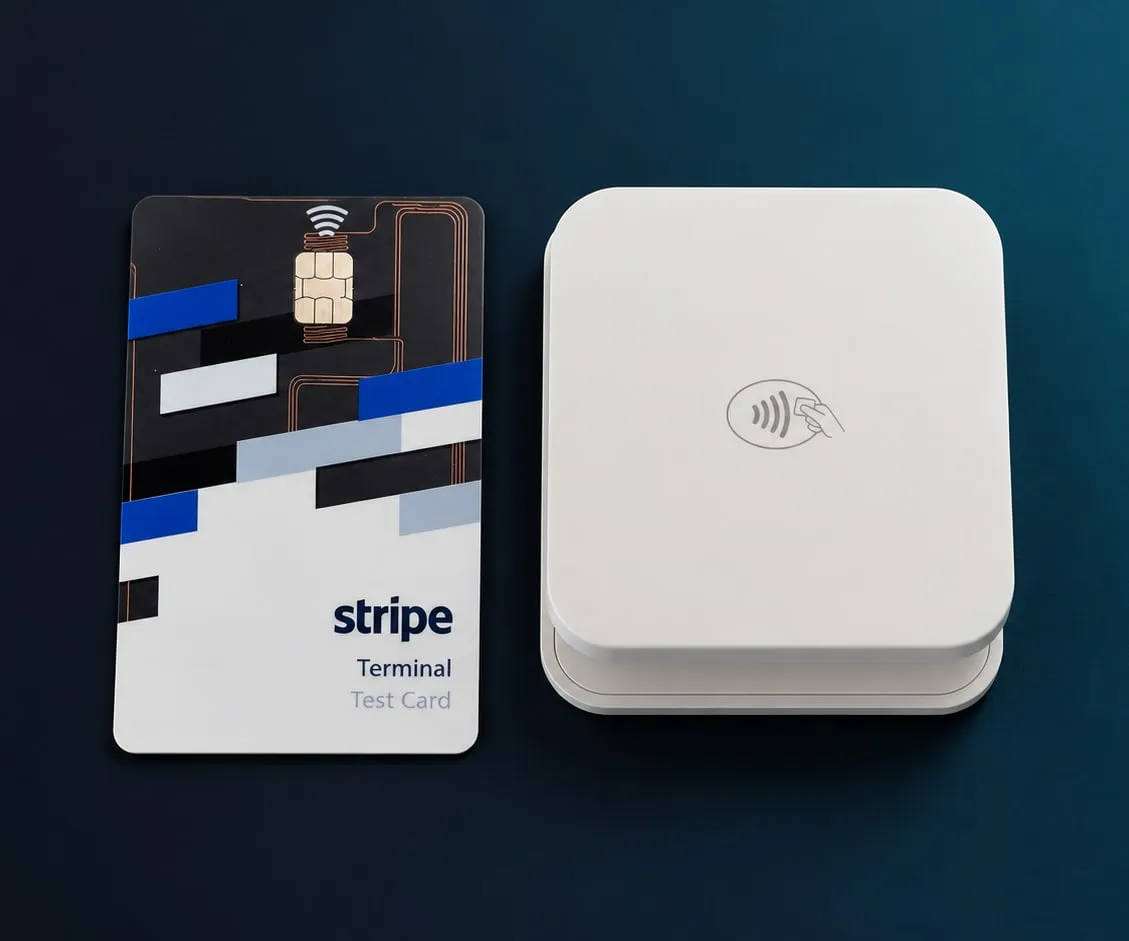
A memoir business with paying customers, the AI agents that do its marketing, a point of sale checkout solution app, a data pipeline that keeps a model away from the numbers, and enterprise product at Thomson Reuters.

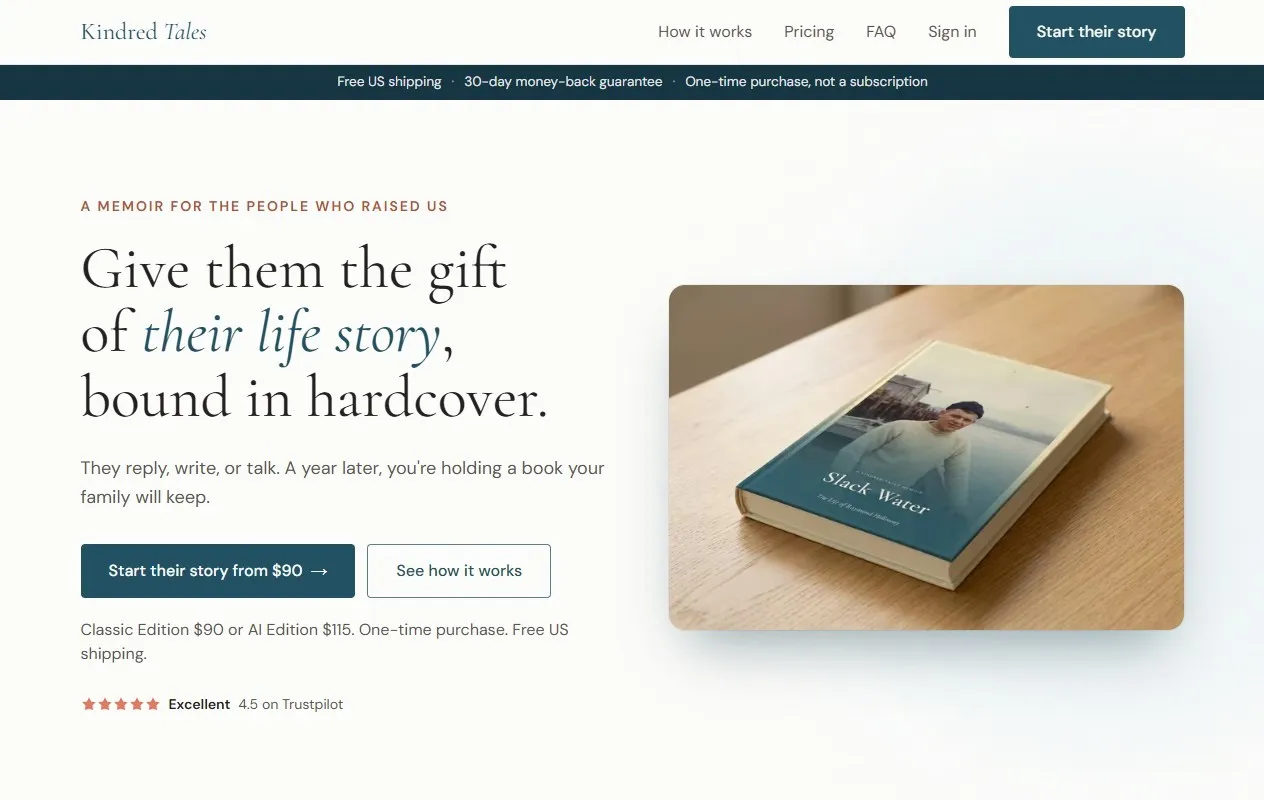
The Kindred Tales homepage. The headline reads: Give them the gift of their life story, bound in hardcover. A finished memoir sits on a wooden table.
kindredtales.net, the live site.

Kindred Tales

An AI-assisted memoir service. A parent or grandparent answers questions over a year, and the family gets a hardcover book. I founded it and run product, AI, and operations.

In production. Paying customers, books printed and shipped.

The constraint

The person telling the stories usually isn't the person who bought the gift, and may never log in.

My decision

Email is one of five ways to answer. A reply to the question is enough.
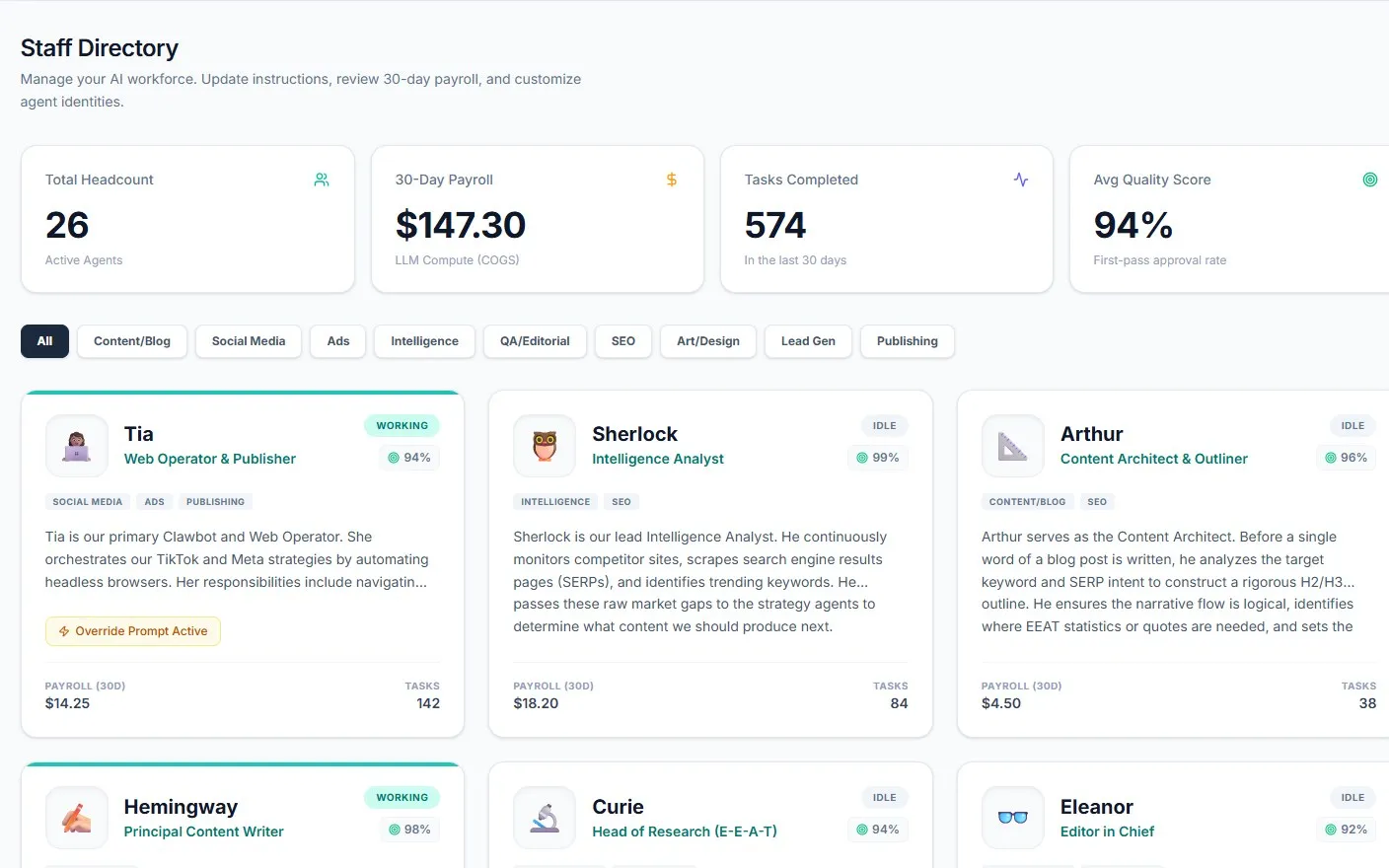
The Staff Directory screen of the AI Workforce console. Summary tiles sit above a grid of agent cards. Each card has a name, a job title such as Intelligence Analyst or Content Architect, and a description of the work.
The staff directory in the operator console.

Kindred Tales AI Workforce

The AI agents that do marketing and operations work for Kindred Tales. They research, draft, check quality, and report back. I built it, and I'm the one who signs off.

In production. It works for one company, mine.

The constraint

The agents act on a real company's marketing, and what an agent reports about its own work can be wrong.

My decision

Permissions widen in stages. Every change is logged with who made it, and I approve what gets published.

How a Kindred Tales story becomes a book
  1. The storyteller answers Email is one of five ways in. They may never log in.
  2. Ali asks the next question It carries the earlier chapters, so nothing starts from zero.
  3. Code builds the print file No model touches it. A wrong book costs paper and postage.
  4. A hardcover ships Printed, bound, and mailed to the family.

A directory site I run

A side project where every page carries figures people may rely on.

Private side project. I'm keeping the name to myself for now.

The constraint

A model that writes a number can also get it wrong.

My decision

Code calculates every figure. The model only writes the prose around them.

See how the pipeline works
See all projects

What I build with

Models, services, and platforms I've used in real projects. See the full list

Models and agents

  • Anthropic
  • OpenAI
  • Google Gemini
  • Claude Code

Speech and voice

  • ElevenLabs
  • AssemblyAI
  • Deepgram

Build and host

  • Bubble
  • Framer
  • Google Cloud
  • Cloudflare

Payments and customers

  • Stripe
  • Shopify
  • HubSpot

Marketing

  • Meta Ads
  • Google Ads

Explore AI

Things you can try yourself, from a quick win at the kitchen table to a build that takes a few sessions.

Browse all guides

How I Work

The model writes. It doesn't get to do the math.

On a directory site I run, every number on a page comes from code. The model writes the sentences around numbers that already exist. A separate pass checks the page against the data, and I keep reading a sample by hand.

Most of what I've learned about AI comes down to this: decide what the model isn't allowed to decide.

Who does what in the content pipeline.
  1. Code Public datasets come in Structured records, loaded and validated.
  2. Code Every number is calculated Deterministic. The model never does arithmetic.
  3. Model Prose is written Only around facts that were already computed.
  4. Model A separate check reviews it A second pass compares the page to the data.
  5. Person I read a sample by hand Ongoing, not a one-time launch check.
Illustrated portrait of Nick Hern: bald, with a dark beard and a teal shirt.

Who's writing this

I went to law school, worked as a staff attorney, and moved into product in 2011. Most of the years since have been at Thomson Reuters, where I lead product for self-service and account management.

In 2022 I started Kindred Tales on the side. It has paying customers, and it's where I do most of my hands-on building.

More about me

Exploring AI for your business?

I'm happy to compare notes. Tell me what you're trying to do and where it's stuck.